Mastering Stance and Motion in Wrestling: The Key to Strong Fundamentals
Wrestling is one of the oldest and most respected combat sports, built on the principles of strength, balance, and control. At the foundation of every successful wrestler’s journey lies the mastery of stance and motion. Without learning how to establish a proper wrestling stance and move effectively, athletes limit their potential on the mat. For those training at an MMA gym in Randolph, NJ, understanding the connection between wrestling stance, motion, and footwork is the key to dominating both offense and defense.
In this article, we’ll break down why stance and motion are essential, how they influence performance, and what drills can help athletes improve these fundamental skills.
Why Stance and Motion Form the Core of Wrestling
Every technique in wrestling—whether it’s a takedown, reversal, or escape—begins with stance and motion. The basic wrestling position is the anchor point for balance, agility, and explosiveness.
A strong wrestling stance helps athletes stay grounded, preventing opponents from driving them off balance. Equally important is motion: the ability to move fluidly without sacrificing posture. Together, these skills provide wrestlers with the stability to defend attacks and the mobility to launch powerful offensive moves.
Understanding the Proper Wrestling Stance
The wrestling stance isn’t one-size-fits-all; it’s tailored to the athlete’s body type, style, and goals. However, the principles remain consistent:
- Balance: Weight should be evenly distributed across both feet.
- Posture: The back remains straight while the knees are bent, lowering the center of gravity.
- Hand Positioning: Hands stay in front to defend against shots or initiate attacks.
A proper wrestling stance not only enhances stability but also prepares athletes for quick transitions between offense and defense. Poor positioning, on the other hand, makes it easier for opponents to break through and gain control.
The Role of Wrestling Motion and Footwork
Motion is how wrestlers maintain their stance while adjusting to their opponent’s movements. Without wrestling footwork, even the strongest stance becomes stagnant.
Good motion allows wrestlers to:
- Control Distance: Dictate when to engage and when to retreat.
- Set Up Attacks: Use subtle steps to create angles for offensive wrestling positions.
- Stay Unpredictable: Prevent opponents from timing shots or predicting movement.
When combined, wrestling motion and footwork transform a static stance into a dynamic tool that can adapt to any situation.
Offensive and Defensive Benefits of Stance and Motion
Offensive Wrestling Position
- The ability to shoot for takedowns, penetrate an opponent’s defense, and apply pressure starts with how well you control your stance and movement. Without proper footwork, even the best takedown setups lack speed and power.
Defensive Wrestling Techniques
Equally important is defense. Wrestlers who maintain good positioning skills can sprawl effectively, resist stance breakdown wrestling attempts, and counterattack with confidence. Balance and posture are critical to absorbing force and redirecting it in your favor.
Wrestling Drills for Motion and Balance
The best way to improve stance and motion in wrestling is through consistent drilling. At Morris County Wrestling and Martial Arts, athletes practice a variety of wrestling movement drills that sharpen agility and positioning skills. Some common exercises include:
- Circle Drills: Help wrestlers learn how to move laterally while staying low.
- Penetration Steps: Teach proper entries for takedowns without losing balance.
- Level Change Repetitions: Improve reaction speed when attacking or defending.
- Mirror Drills: Build wrestling agility by reacting to an opponent’s footwork.
These wrestling drills for motion reinforce habits that keep athletes stable and explosive under pressure.
How to Move in Wrestling Without Losing Form
Learning how to move in wrestling is about combining agility with discipline. Many beginners focus too heavily on quickness, sacrificing posture in the process. Advanced wrestlers know that the key is controlled movement—gliding across the mat while maintaining balance. Coaches emphasize “short, choppy steps” to ensure wrestlers don’t overextend, leaving themselves open to counters.
Developing Wrestling Positioning Skills
- Positioning is often the deciding factor in close matches. By mastering stance and motion, wrestlers maintain dominance over mat space, control the pace of the bout, and dictate exchanges. With strong wrestling positioning skills, athletes can seamlessly switch between offensive attacks and defensive techniques without hesitation.
Stance and Motion Beyond Wrestling
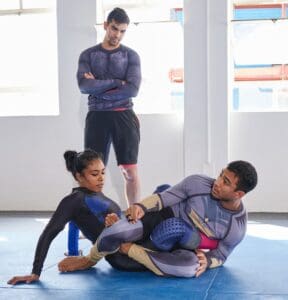
While these fundamentals are vital in wrestling, they also translate into other combat sports. At an MMA gym in Randolph NJ, wrestlers who have mastered footwork and posture carry these advantages into Brazilian Jiu-Jitsu, Muay Thai, and MMA training. Stance and motion form the universal foundation for combat readiness, whether standing, grappling, or transitioning between the two.
Conclusion: Build Your Foundation with Stance and Motion
- The importance of stance and motion in wrestling cannot be overstated. From establishing balance to setting up attacks and defending against counters, these fundamentals shape every aspect of performance on the mat. Athletes who commit to refining their wrestling stance, motion, and footwork lay the groundwork for long-term success.
If you’re ready to sharpen your wrestling skills and train in a world-class environment, contact Morris County Wrestling and Martial Arts in Randolph, NJ today. Call (973) 713-3556 or email mcwandma@gmail.com to learn more about wrestling programs, MMA training, and martial arts classes for all skill levels.