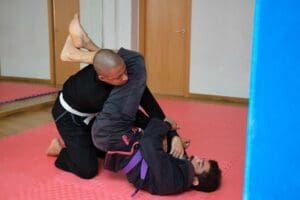
If you’re a beginner wrestler in Morris County – whether you’re a middle school athlete in Randolph, a high school competitor in Morristown, or a parent watching your child step onto the mat for the first time – you’ve probably noticed how quickly matches can get overwhelming. One wrong move, and suddenly you’re on your back, exhausted, and unsure what went wrong. Many new wrestlers struggle with poor positioning, bad habits, and nerves that take over in real match situations. The good news is that these mistakes are incredibly common, and with the right coaching and structured training environment, they can be corrected early before they become long-term setbacks.
Why Beginner Mistakes Matter More Than You Think
- Wrestling is unforgiving. Small mistakes don’t just slow you down; they cost you points, momentum, and confidence. A slightly high stance can open the door for an easy takedown. A poorly timed shot can leave you stuck underneath your opponent, fighting just to survive. Reaching the wrong way on the bottom can turn a simple escape into a dangerous situation where you’re seconds away from being pinned. These are not rare scenarios – they happen every day in practice rooms and matches across Morris County.
Too many beginners focus on winning right away instead of building a solid foundation. But wrestling doesn’t reward shortcuts. The athletes who improve the fastest are the ones who focus on correcting mistakes early, even when it feels repetitive or frustrating. At Morris County Wrestling and Martial Arts, coaches spend a lot of time reinforcing these fundamentals so athletes don’t carry bad habits into competition.
Mistake No. 1: Standing Too High (Poor Stance)
- One of the first things coaches notice in new wrestlers is how high they stand. It might feel more comfortable at first, especially if you’re not used to staying low for long periods, but it puts you at an immediate disadvantage.
When you stand upright, your center of gravity is higher, which makes it easier for an opponent to attack your legs or push you off balance. You also become slower to react because you have to drop your level before initiating any movement. In a fast-paced match, that split second matters.
- To fix this, you need to build a proper wrestling stance that becomes second nature. Keep your knees bent so you’re always ready to move. Your back should stay straight, not rounded or leaning forward too much. Your weight should be on the balls of your feet so you can move quickly in any direction. Most importantly, keep your head up and your eyes forward so you can read your opponent.
It will feel uncomfortable at first. Your legs will burn, and you’ll want to stand up. That’s normal. The wrestlers who push through that discomfort are the ones who develop speed, balance, and control.
Mistake No. 2: Shooting Without a Setup
- A common beginner mindset is to “just go for it.” You see an opening – or think you do – and you shoot. The problem is, without a proper setup, your opponent is usually ready for it. When you shoot without setting anything up, you’re essentially telling your opponent exactly what you’re about to do. That’s why beginners often get sprawled on or countered immediately. Not only does this waste energy, but it also puts you in a vulnerable position underneath your opponent.
Wrestling is about creating opportunities, not forcing them. Before you shoot, you need to move your opponent out of position. This can be done through hand-fighting techniques such as collar ties, snaps, and wrist control. These actions disrupt your opponent’s balance and focus, making them react instead of defend.
- Fakes are also important. A simple fake shot can get your opponent to step or shift their weight, which opens up a real attack. The goal is to make your opponent uncomfortable and unpredictable before you commit. Once you start thinking of wrestling as a setup-based sport rather than a reaction-based one, your success rate improves dramatically.
Mistake No. 3: Shooting from Too Far Away
- Even when beginners try to shoot correctly, they often make the mistake of doing it from too far away. This usually happens because they’re hesitant to get close or unsure about timing. When you shoot from a distance, you lose power and control. Your arms extend too far, your hips lag behind, and your opponent has plenty of time to react. This often leads to getting sprawled on or stuck in a bad position.
The key is learning how to close the distance safely and effectively. This comes back to hand fighting and movement. You need to stay within a range where you can attack without reaching. If you feel like you’re stretching or lunging, you’re too far away. Timing also plays a big role. The best shots often happen when your opponent is moving toward you or slightly off balance. Instead of forcing the action, wait for the right moment and then commit fully.
Mistake No. 4: Looking Down While Shooting
- Another mistake that shows up early is poor head position during shots. Many beginners instinctively look down at the mat when they shoot, which immediately puts them at a disadvantage. When your head drops, your posture collapses. This makes it easier for your opponent to sprawl, apply pressure, or lock up a front headlock. It also limits your ability to drive forward and finish the takedown.
To correct this, focus on keeping your head up throughout the entire motion. Your forehead should make contact with your opponent’s body, typically their chest or side. This helps maintain strong positioning and allows you to continue driving through the shot. Head position might seem like a small detail, but in wrestling, small details often determine the outcome of a match.
Mistake No. 5: Reaching Back from Bottom Position
- This is one of the most dangerous habits beginners develop, and it often comes from panic. When a wrestler is on bottom and feels pressure from the top, their instinct is to reach back and try to grab their opponent.
Unfortunately, this usually makes things worse. Reaching back exposes your shoulders and opens you up to being turned or pinned. It gives your opponent exactly what they want – control. Instead, your focus should be forward and outward. Keep your hands in front of you and work to control your opponent’s wrists. Hand control is one of the most important skills in wrestling, especially from the bottom position.
- Once you establish control, you can begin building your base and working toward an escape. The goal is not to grab your opponent randomly, but to create space and regain control.
Mistake No. 6: Not Prioritizing the Stand-Up Escape
- Many beginners stay stuck on the bottom longer than they should. They sit, hesitate, or try to roll without a clear plan. This often leads to repeated breakdowns and the loss of valuable time. The most reliable escape in wrestling is the stand-up. It’s simple, effective, and used at every level of the sport.
As soon as you’re on your bottom, your mindset should be to get to your feet. That means building your base, clearing your opponent’s hands, and creating separation. Your hips should move away from your opponent, not toward them. The longer you stay flat or inactive, the more control your opponent gains. Quick, decisive movement is key.
Mistake No. 7: Poor Top Control (Riding Too High)
- Being on top doesn’t automatically mean you’re in control. Many beginners ride too high on their opponent’s back, which makes it easy for the bottom wrestler to escape or reverse the position. When your weight is too far forward, you lose balance and pressure. Your opponent can slip out or roll you, turning a good position into a bad one.
Effective top control comes from staying low and applying consistent pressure. Your hips should stay down, and your weight should be centered behind your opponent’s shoulders. This keeps them grounded and limits their movement. Control is about patience. Instead of rushing to turn your opponent, focus on breaking them down and maintaining position.
Mistake No. 8: Ignoring the Basics for “Cool” Moves
- It’s easy to get caught up in flashy techniques, especially with so many highlight videos online. But trying advanced moves too early often leads to frustration and failure. Beginners who skip the basics usually struggle because they lack the foundation to execute complex techniques. Wrestling isn’t about doing the most impressive move; it’s about doing the right move at the right time.
The most successful wrestlers rely on simple, high-percentage techniques. A solid stance, clean penetration step, and controlled finish will win far more matches than risky, complicated moves. Mastering the basics might not feel exciting, but it’s what separates good wrestlers from great ones.
Mistake No. 9: Poor Conditioning and Breathing
- A lot of new wrestlers think they’re out of shape when they get tired quickly, but often it’s not just about fitness – it’s about breathing and composure. In matches, adrenaline kicks in. Beginners tend to take short, shallow breaths or hold their breath without realizing it. This leads to rapid fatigue, even if they’re physically capable of going longer.
Learning to stay calm under pressure is just as important as physical conditioning. Controlled breathing helps regulate your energy and keeps you focused. Over time, consistent training builds both endurance and confidence. The more comfortable you become in tough positions, the less likely you are to panic.
Mistake No. 10: Not Controlling the Center of the Mat
- Mat awareness is something beginners often overlook. They drift toward the edge without realizing it, giving their opponent control of positioning. When you’re near the edge, your options become limited. Your opponent can push you out, reset the match, or use the boundary to their advantage. Meanwhile, you’re reacting instead of controlling the action.
Strong wrestlers stay aware of where they are at all times. If they’re pushed toward the edge, they circle back to the center. They dictate where the match happens. Controlling the center isn’t just about location, it’s about confidence and control.
The Fastest Way to Fix These Mistakes
- Reading about wrestling is helpful, but improvement happens through consistent, hands-on training. The fastest way to correct mistakes is by working with experienced coaches and training partners who can identify issues in real time. When someone shows you exactly what you’re doing wrong – and how to fix it – progress happens much faster.
At Morris County Wrestling and Martial Arts, athletes train in a structured environment where coaches actively correct technique, reinforce fundamentals, and build confidence through repetition and live practice. It’s not just about learning moves, it’s about developing habits that hold up in real matches.
Commonly Asked Questions
What are the 7 basic skills of wrestling?
The core skills include stance, motion, level change, penetration step, lifting, finishing takedowns, and escapes. These fundamentals form the foundation of all advanced techniques and are essential for long-term success.
What is a wrestler’s weakness?
A wrestler’s weakness often comes down to poor fundamentals, lack of conditioning, or mental mistakes like panicking under pressure. Identifying and addressing these early is key to improvement.
What age is too late to start wrestling?
There is no age that is “too late” to start wrestling. While many athletes begin young, beginners in middle school, high school, or even adulthood can still develop strong skills with consistent training.
How do wrestlers avoid wardrobe malfunctions?

Wrestlers secure their gear by properly tying and taping their shoes, wearing fitted uniforms, and checking everything before stepping onto the mat to avoid interruptions during matches.
Final Thoughts
Every wrestler makes mistakes. It is part of the learning process. What matters is how quickly those mistakes are recognized and corrected. If you or your child are serious about improving, having the right coaching environment can make a huge difference.
If you’re in Randolph, Dover, Morristown, Rockaway, or anywhere in Morris County, you can get hands-on instruction, structured training, and real match preparation at Morris County Wrestling and Martial Arts. Call (973) 713-3556 or email mcwandma@gmail.com to get started.