If you’re a parent wondering whether MMA is safe for your teenager, or an adult in Morris County thinking about stepping into a cage sport for the first time, you’re probably dealing with the same questions: Is this too intense? Am I (or my teen) too late to start? What if I’m not in shape yet? At Morris County Wrestling & Martial Arts in Randolph, NJ, we work with both teens and adults who feel that exact mix of excitement and hesitation. The difference is that they step into a program tailored to their age, experience, and goals, and they progress safely and confidently from day one.
What Is MMA Training, Really?
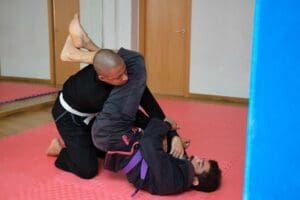
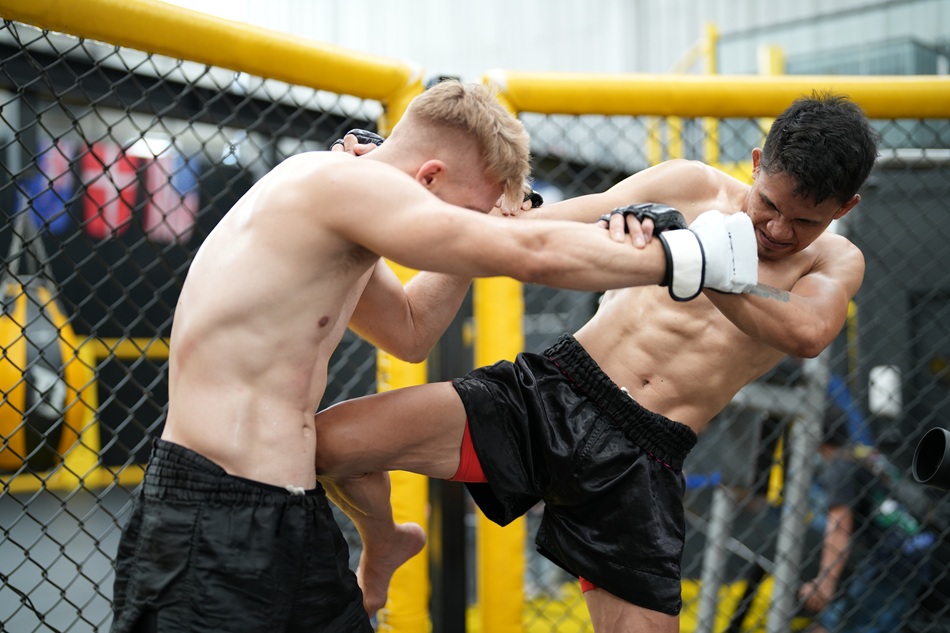
- Mixed Martial Arts (MMA) is a comprehensive combat sport that blends multiple disciplines into one structured system. A well-designed MMA program integrates Brazilian Jiu-Jitsu for ground control and submissions, Muay Thai for kicks, knees, and elbows, Boxing for striking and footwork, and Wrestling for takedowns and positional dominance. It is not chaotic sparring or “anything goes” fighting. Proper MMA training is technical, progressive, and rooted in skill development, conditioning, and strategic thinking.
Modern amateur MMA development, as supported by organizations like the International Mixed Martial Arts Federation, emphasizes safety, structured progression, and age-appropriate instruction. That’s a critical distinction many people miss when they only see the professional side of the sport on television.
What Is a Good Age to Start MMA Training?
- One of the most common questions parents ask is whether there’s a “right” age to begin MMA. The honest answer is that it depends on the student’s maturity, focus, and goals. For teens, typically between 13 and 17, training centers on fundamentals, coordination, discipline, and controlled contact. The emphasis is on learning correct technique before intensity increases. For adults, programs vary widely depending on whether the goal is fitness, self-defense, skill development, or competition. In both cases, the program’s structure matters more than the number on the birth certificate.
At Morris County Wrestling & Martial Arts, we’ve seen teenagers who struggled in traditional team sports thrive in a structured MMA environment. We’ve also seen adults in their 30s and 40s walk in unsure of themselves and discover a completely new level of physical and mental confidence. Starting age matters less than starting in the right environment.
Teen MMA Training: Structure, Safety, and Skill Development
- Teen MMA programs are intentionally designed to build a strong technical foundation. The focus remains on proper striking mechanics, takedown fundamentals, defensive positioning, and controlled grappling. Coaches slow the process down to ensure correct movement patterns are built early. Developing strong fundamentals during the teenage years prevents the formation of bad habits that can limit progress later.
Safety is a top priority in youth training. Controlled contact, appropriate protective gear, and graduated sparring intensity are all essential components. Teens are never thrown into high-pressure situations without preparation. Training progresses step by step, ensuring both physical and emotional readiness before increasing intensity.
- Beyond physical skills, teen MMA training develops discipline, accountability, resilience, and confidence. In communities like Randolph, Dover, and Morristown, many parents seek structured environments that reinforce respect and work ethic. A well-run MMA academy provides that framework. Students learn how to push themselves while supporting teammates, which often translates into improved focus in school and other areas of life.
Adult MMA Training: Intensity, Conditioning, and Personal Goals
Adult MMA programs are more varied because adult goals differ significantly. Some adults walk in seeking a challenging alternative to traditional gym workouts. Others are interested in learning practical self-defense skills. A smaller percentage pursue amateur or professional competition.
- For adults focused on fitness, MMA training provides full-body conditioning that builds strength, endurance, and coordination. Pad work, drilling combinations, grappling transitions, and functional conditioning replace monotonous treadmill sessions. Many adults find the engagement and skill-building aspect far more motivating than conventional workouts.
For those pursuing competition, training becomes more advanced and structured. This includes controlled sparring, technical breakdown sessions, fight strategy development, and strength and conditioning cycles. Integration between striking and grappling becomes increasingly refined. However, intensity always scales according to readiness and experience.
- Beginners are often concerned that they need to “get in shape first.” In reality, MMA training is what builds that conditioning. New adult students start with foundational movement, basic striking mechanics, and controlled drilling before engaging in any higher-level training. Progression is earned, not rushed.
How to Decide What Martial Art Is Right for You
- Choosing the right martial arts path depends on your goals. If you want a complete, well-rounded skill set that integrates striking and grappling, MMA is the logical choice. If you prefer focusing on ground control and submissions, Brazilian Jiu-Jitsu may be a better starting point. Those drawn to stand-up striking may gravitate toward Muay Thai or Boxing, while athletes interested in takedown dominance may prefer Wrestling.
Many students begin in one discipline before transitioning into full MMA training once they build confidence and comfort. The advantage of training at a comprehensive academy is the opportunity to explore different disciplines under the guidance of experienced faculty.
Traditional MMA vs. Modern MMA: What’s the Difference?
- Traditional MMA, particularly in its early development stages, often featured limited integration between disciplines and fewer standardized training systems. Fighters typically specialized in one primary style and adapted over time.
Modern MMA, by contrast, is fully integrated from the beginning. Athletes train across striking, grappling, and conditioning disciplines simultaneously. Scientific strength and conditioning principles, technical analysis, and strategic planning are now core components of training. Amateur systems are structured, with clearer rules and more defined development pathways. Programs today are safer and more systematic than ever before.
Which Type of Training Is Best for an MMA Athlete?
- Effective MMA training balances technical drilling, controlled live training, conditioning, and recovery. Athletes must refine specific skills repeatedly while gradually increasing resistance and realism. Controlled sparring allows for growth without unnecessary injury risk. Strength and conditioning enhance durability and performance. Recovery ensures long-term sustainability.
An imbalance, either too much intensity too soon or not enough live application, can stall development. The right coaching environment carefully manages that progression.
Teen vs. Adult MMA: Key Differences
Teen MMA training prioritizes technical foundations, discipline, and structured progression. Intensity increases gradually and remains closely supervised. Adult MMA training adapts more significantly based on individual goals, ranging from fitness-focused sessions to competitive preparation. Conditioning expectations are generally higher for adults, and competitive pathways are more expansive. However, both age groups require structured coaching, technical precision, and safe progression.
Why Morris County Families Choose MCWMA
- Morris County Wrestling & Martial Arts is a family-owned academy built by Mike and Vic Amada to serve the local community. Unlike large commercial gyms, the training environment is personal and hands-on. Students are not anonymous faces in a crowded class. Instruction is intentional, and progress is monitored.
Parents appreciate the structured youth development and direct communication. Adults value the technical coaching and authentic training atmosphere. Whether someone walks in from Randolph, Rockaway, or Morristown, the goal remains the same: provide high-level instruction in a supportive, disciplined environment.
What’s Right for You (or Your Teen)?
If your teen needs structure, discipline, and foundational athletic development, youth MMA training offers a balanced path. If you’re an adult looking for a challenging and engaging way to build fitness and skill, beginner MMA classes provide a structured starting point. If competition is your long-term goal, a progressive training conversation with experienced coaches is essential.

Making the right choice begins with a conversation.
Ready to Take the First Step?
Whether you’re a parent evaluating safe MMA training for your teenager or an adult ready to step outside your comfort zone, Morris County Wrestling & Martial Arts in Randolph, NJ, is here to guide you. Call (973) 713-3556 or email mcwandma@gmail.com to speak directly with the academy, ask questions, or schedule a visit. The right training environment can make all the difference.