Introduction
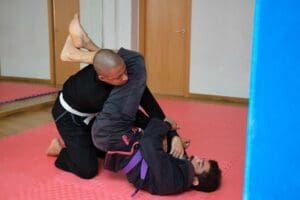
Brazilian Jiu-Jitsu (BJJ) is a physically demanding martial art that requires strength, endurance, flexibility, and mobility. Whether you’re a beginner or an experienced grappler, incorporating the best workout routine for Brazilian Jiu-Jitsu into your training regimen can significantly improve your performance on the mats. Wrestlers transitioning to BJJ will find that a solid strength and conditioning plan helps develop the endurance, explosiveness, and resilience needed to excel in this grappling sport.
Strength Training for BJJ
A well-rounded BJJ strength training program should focus on functional movements that enhance grappling power. Resistance training for grapplers builds the strength necessary for controlling opponents and maintaining dominant positions. Here are some of the best exercises for Brazilian Jiu-Jitsu strength training:
- Deadlifts: Improve grip strength and posterior chain power. Deadlifts mimic the pulling and lifting motions often used in BJJ and help build strong lower and upper back muscles, improving posture and injury resistance.
- Squats: Develop lower body strength and explosive takedowns. Squats strengthen the quadriceps, hamstrings, and glutes, which are essential for driving through opponents during takedowns and maintaining a strong base while grappling.
- Pull-ups: Strengthen the upper body and grip for better control. Pull-ups target the lats, forearms, and biceps, all of which contribute to a stronger grip and better control when holding onto an opponent’s gi or limbs.
- Kettlebell Swings: Enhance hip drive and endurance. The explosive nature of kettlebell swings helps train the posterior chain and builds endurance, making them ideal for improving transitions and scrambles in BJJ.
- Turkish Get-Ups: Improve overall stability and core strength. Turkish get-ups enhance balance, coordination, and strength, all of which contribute to better performance on the mats.
Conditioning for Brazilian Jiu-Jitsu
BJJ matches require continuous movement, which demands superior cardiovascular fitness. Effective cardio for BJJ endurance includes:
- Interval Training: Sprinting and rowing intervals mimic the explosive energy bursts needed in BJJ. By alternating between high-intensity sprints and rest periods, you can build the stamina needed for intense rolling sessions.
- Circuit Workouts: Combining strength and conditioning exercises increases endurance and mimics match intensity. A well-structured circuit of burpees, push-ups, battle ropes, and plyometrics can improve both aerobic and anaerobic capacity.
- Jump Rope: Enhances footwork, coordination, and stamina. Regular jump rope sessions improve agility and help develop the ability to move quickly and fluidly during matches.
Flexibility and Mobility Drills for BJJ
Increased flexibility and mobility lead to better movement efficiency and injury prevention. Include these flexibility exercises for Jiu-Jitsu in your routine:
- Hip Openers: Improves guard retention and passing ability. Stretching exercises like the butterfly stretch and pigeon pose help improve flexibility in the hips, allowing for greater leg dexterity in guard play.
- Shoulder Mobility Drills: Prevents injuries from submissions and bad falls. Shoulder dislocates and wall slides help maintain shoulder health, reducing the risk of injuries from arm locks or overuse.
- Dynamic Stretching: Helps warm up muscles before training. Performing leg swings, spinal twists, and lunges with rotation before training ensures the body is primed for movement.
Core Strength for BJJ Performance
Core exercises for BJJ build the foundation for powerful sweeps, guard retention, and transitions. Some of the best include:
- Planks and Side Planks: Improve core endurance and stability. Holding plank positions enhances control over body movements and posture during grappling exchanges.
- Russian Twists: Enhance rotational strength for better escapes. Twisting exercises help develop the obliques, which are crucial for executing sweeps and defending against pressure.
- Hanging Leg Raises: Strengthen the lower abdominals for guard play. Strong lower abs improve hip control, making it easier to maintain guard and perform submissions.
Injury Prevention and Recovery for BJJ Athletes
Avoiding injuries is crucial for longevity in Brazilian Jiu-Jitsu. Implementing injury prevention exercises for BJJ and following proper recovery tips ensures consistent progress.
- Foam Rolling and Stretching: Reduces muscle tightness and enhances flexibility. Regular myofascial release using a foam roller can help reduce soreness and improve range of motion.
- Active Recovery Workouts: Light movement sessions promote blood flow and healing. Activities like yoga, swimming, or low-intensity cycling can aid in muscle recovery without causing additional strain.
- Hydration and Nutrition: Fueling the body with the right nutrients speeds up recovery. Staying hydrated and consuming protein-rich foods aids muscle repair, while anti-inflammatory foods help reduce post-training soreness.
Conclusion

Mastering BJJ requires a strategic approach to strength and conditioning. By incorporating a balanced BJJ workout plan that includes resistance training, flexibility work, and cardiovascular conditioning, you can enhance your grappling abilities and stay injury-free. If you’re looking to take your Brazilian Jiu-Jitsu performance to the next level, Morris County Wrestling and Martial Arts in Randolph, NJ, offers expert training to help you reach your goals. Contact us today at (973) 713-3556 or email mcwandma@gmail.com to start your journey!